Unsafe Machine Guarding Practices & How to Mitigate Them
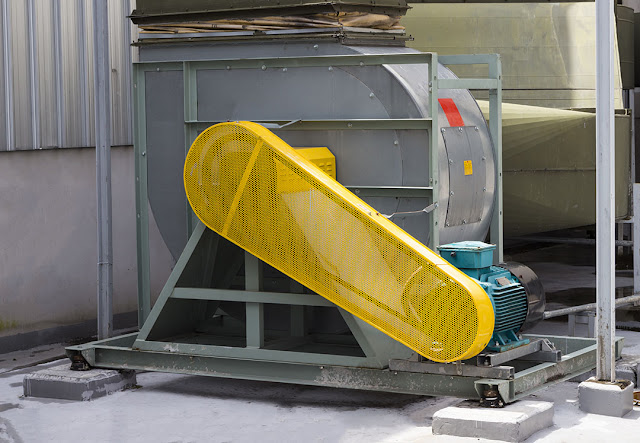
Machine guarding is a crucial measure for protecting workers from safety hazards such as point of operation contact, nip points, rotating parts, flying chips and sparks. It includes built-in equipment, procedures and PPE, all with the intention of protecting workers from hazards. Without adequate safeguards, accidents can result in gruesome injuries where hands and arms are crushed, fingers and limbs are severed, or deep cuts and harsh scrapes are sustained by the operator.
In order to enforce safe machine guarding practices, a reliable system for routine and regular inspections must be in place within the work area. This is best accomplished by setting regular, predetermined intervals for inspections, which may vary for different types of equipment, depending on the level of risk posed to the worker.
Machine guarding equipment is split between the guards themselves and accompanying safety devices.
Common types of machine guarding:
- Fixed barrier guards
- Electrical or mechanical interlocking guards
- Adjustable and self-adjusting guards
Types of safety devices:
- Pullbacks and holdbacks
- Presence-sensing devices
- Two-hand control
- Interlocked safety blocks
- Feeding/holding tools
To ensure safe operation of machines within your property, below is an outline of standard machine guarding requirements from the Occupational Safety and Health Administration (OSHA) and Workplace Safety and Prevention Services (WSPS).
Machine guarding
- Safeguards prevent workers' hands, arms, and other body parts from making contact with dangerous moving parts
- Safeguards are provided for all hazardous moving parts of the machine, including auxiliary parts
- They must be firmly secured and cannot be easily removed
- They must allow for safe, comfortable, and relatively easy operation of the machine
- Machine can be oiled without removing the safeguard
Point of operation guarding
- The point of operation is the area where work is performed
- The safeguard keeps the operator’s hands, fingers, body out of the danger area
- The guarding device must be in compliance with manufacturer standards at the point of operation
- Safeguards must be checked for evidence of tampering or removal
- Special tools must be available for the operator to safely and easily control materials placed directly at the point of operation and must not act as a replacement for the machine guards
Power transmission apparatus
- There are no unguarded gears, sprockets, pulleys, or flywheels on the apparatus
- There are no exposed belts or chain drives
- There are no exposed set screws, key ways, collars, etc.
- Starting and stopping controls are within easy reach of the operator
- If there is more than one operator, separate controls are provided
Barrels, containers and drums
- This machine type is required to be guarded by an enclosed interlock with a drive mechanism so that the barrel, gun or container cannot revolve unless the guard enclosure is in place
Exposure of blades
- The openings of guarding for a fan should be no more than ½ an inch wide
Anchoring fixed machinery
- Any machine designed for a fixed location must be anchored securely to prevent movement or displacement
Electrical hazards
- The machine is installed in accordance with National Fire Protection Association (NFPA) and Canadian Electrical Code requirements
- Conduit fittings are tightly secured
- The machine is properly grounded
- The power supply is correctly fused and protected from accidental contact
- Workers can operate the machines without receiving occasional/minor shocks
- Lockout/Tag Out - employers are required to establish a program consisting of energy control procedures, employee training and periodic inspections so that the machine or equipment in use is cut off from the energy source and rendered inoperative before it can undergo servicing or maintenance
Training
- Operators and maintenance workers have the necessary training in how to use the safeguards and why certain procedures must be followed
- Operators and maintenance workers have been trained in where the safeguards are located, how they provide protection, and what hazards they protect against
- Operators and maintenance workers have been trained in how and under what circumstances guards can be removed
- Workers have been trained in the procedures to follow if they notice that guards are damaged, missing or inadequate
Personal Protective Equipment (PPE)
- Protective equipment is available for worker use
- Protective equipment is appropriate for the job, in good condition, kept clean and sanitary, and is carefully stored when not in use
- The operator is dressed safely for the job, including protective equipment for eyes and face to prevent exposure to hazards such as flying particles
Maintenance and Repair
- Maintenance workers have received up-to-date instruction on the machines they service
- Maintenance workers lockout the machine from its power sources before beginning repairs
- Where several maintenance persons work on the same machine, multiple lockout devices are used to cut off power from all sources
- Maintenance persons use appropriate and safe equipment in their repair work
- The maintenance equipment itself is properly guarded
Other requirements
- Additional guarding is required for the following machine types: guillotine cutters, shears, alligator shears, power presses, milling machines, power saws, jointers, portable power tools, forming rolls and calenders
- Appropriate measures have been taken to safeguard workers against noise hazards
- Special guards, enclosures, or personal protective equipment have been provided, if necessary, to protect workers from exposure to harmful substances used in machine operation
When it comes to machine guarding, it’s important to know that there are different tiers of inspections that are required to take place at different intervals and frequencies, such as:
- Pre-start up/pre-operational
- Monthly inspections
- Manufacturer recommendations
- Supervisory/management inspections
- Preventative maintenance
What happens when these procedures and guidelines go unenforced? A quick search brings up no shortage of cautionary tales.
Here at Tap Report, we’ve covered a number of common compliance failures and workplace hazards, but in terms of extreme and immediate danger to worker safety, unsafe machine guarding practices constitute a unique threat that must be identified and dealt with immediately; this is why routine inspections of machine guarding is such a critical and preventative measure that cannot be missed.
Using digital solutions to stay on top of your machine guarding inspections is a significant step you can take to protect workers from serious injuries.
How can digital inspection tools help?
Digital inspection tools help to ensure that the equipment is actually inspected. The system will advise of remaining inspections and provide guidance on locating the machinery, helping to ensure that none are missed. The system also provides tailored inspection guidance so inspectors know exactly what to look for; this is helpful as guarding apparatuses can vary depending on the equipment. And if any deficiencies are discovered, the inspector can take photos and make notes and notify the right people immediately through automated workflow.
Facility managers can see an overview of inspection statuses to keep track of what inspections are coming up, are due, or past due so they can feel confident that the machinery in their facility is being inspected regularly for hazards.
Don’t get caught off guard by machine guarding hazards. Digital inspection tools can help keep you informed and mitigate threats to worker safety.
For more information, contact us at customerservice@tapreport.io.
Resources
- Machine Guarding eTool - Occupational Safety and Health Administration
- Machinery and Machine Guarding (1910 Subpart O) - Occupational Safety and Health Administration
- Machine Guarding and Electrical Hazards - Workplace Safety and Prevention Services
About Tap Report
Tap Report is a Canadian software company that provides a digital solution for managing workplace inspections, safety compliance, and operational reporting. It replaces manual processes, such as paper checklists and spreadsheets, with a mobile and web-based system that allows teams to complete inspections, capture data, and generate compliant reports.
Through an easy-to-use interface and automated workflows, Tap Report helps ensure that inspections are completed, deficiencies are categorized and tracked, and issues are escalated efficiently to the right people. It also offers analytics, customizable reporting, and integrations that helps organizations improve safety, compliance, and operational performance.
For more information, visit www.tapreport.io or contact us at customerservice@tapreport.io.
More articles
Health & Safety