Carbon Monoxide Detectors 101
📌 Carbon monoxide (CO) is a colourless, odourless, and tasteless gas that blocks oxygen from entering the bloodstream. It most commonly leaks from fuel-burning appliances such as furnaces, gas stoves and water heaters.
Read on to learn about how you can protect workers and occupants from this silent killer.
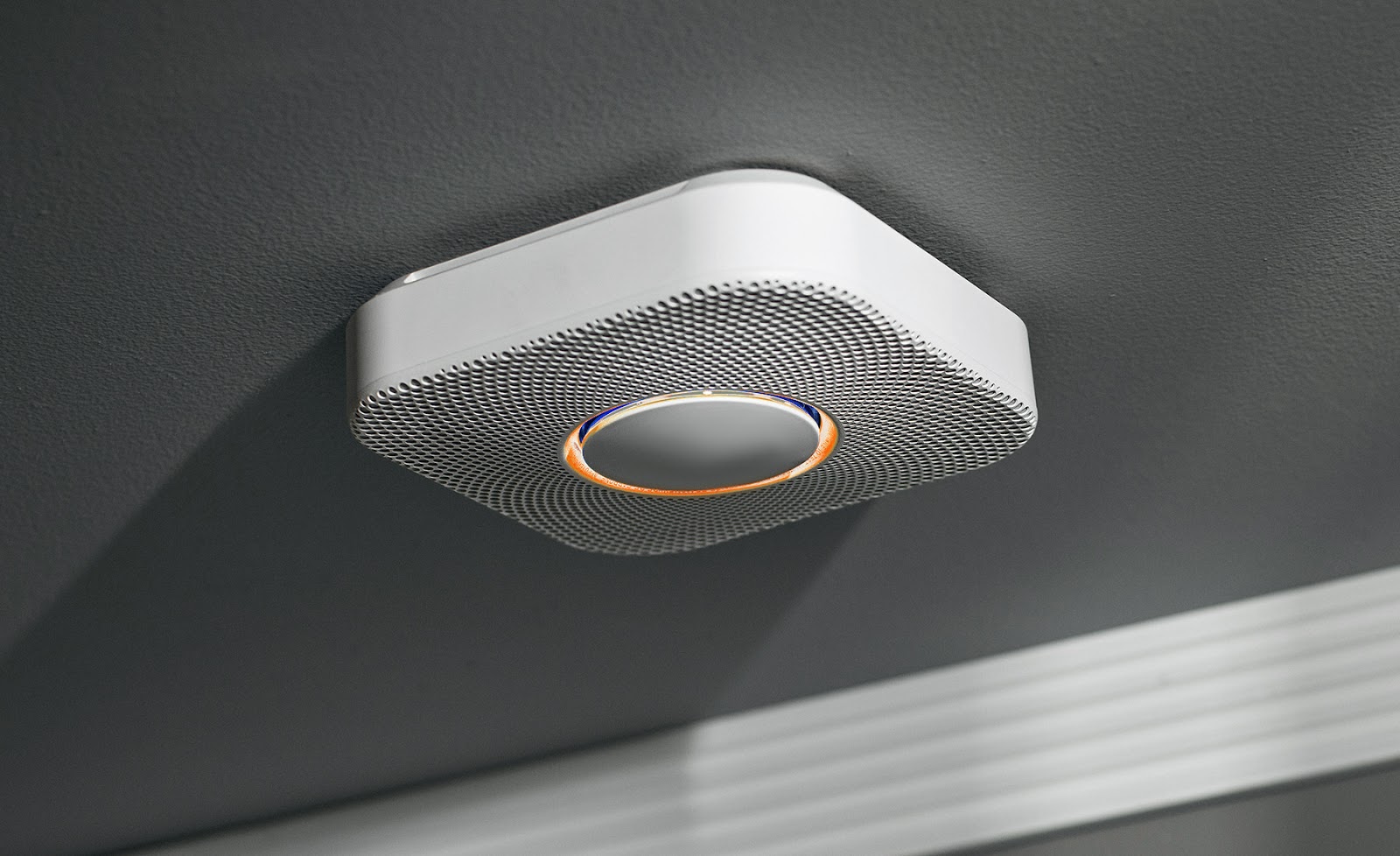
Selecting and placing a CO detector
- Choose a CO detector with a recognized testing laboratory such as CSA (Canadian Standards Association) or UL/ULC (Underwriters Laboratories).
- Follow the manufacturer’s instructions for placement and mounting height.
- CO detectors must be located near sleeping areas and on each level of a residential dwelling.
- For residential buildings that contain a storage/parking garage, CO detectors should be installed next to each residential suite that is directly adjacent (via a shared wall/floor/ceiling) to the garage area.
- CO alarms must be inspected, tested and maintained according to the manufacturer’s instructions.
- CO detectors must be maintained in operating condition.
- For battery-operated detectors, remember to change the batteries every six months. Daylight Savings Time is commonly recommended as a reminder to put new batteries in your carbon monoxide detector.
Educate staff members
- Workers should be informed about the health effects of CO exposure, sources of workplace CO, and the precautions they must take to ensure they are not exposed.
- Workers should not be allowed to work alone in places where CO may accumulate.
- Workers must know how to safely operate fuel-powered equipment.
Test the air quality of your building
- A direct-reading instrument should be used to test the air and warn workers if CO levels are dangerously high. Most buildings secure third party vendors to perform indoor air quality testing on a scheduled interval. These results should be made available to the health & safety committee.
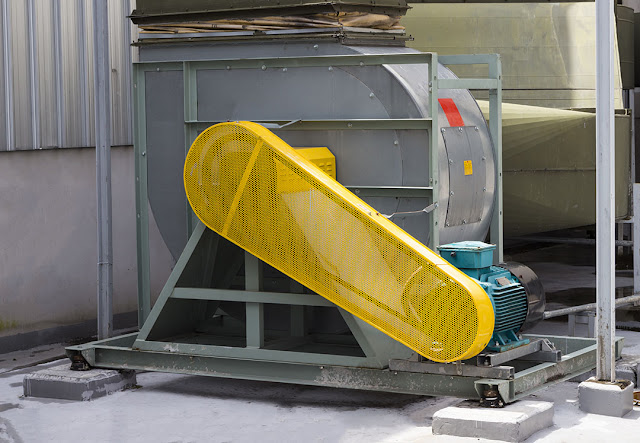
Ensure adequate ventilation systems are in place
- Take care to ensure work areas are well-ventilated.
- In applicable situations, use exhaust hoses to vent engine exhaust out of work areas.
- If these measures are insufficient for adequate ventilation, supplied air respirators must be provided for workers.
Resources
- Carbon Monoxide Safety - NFPA
- Carbon monoxide: What you can’t see can hurt you - IHSA
- Carbon Monoxide Poisoning - Government of Canada
- Ontario Fire Code
- Changes to Ontario Fire Code: New Requirements for CO Alarms - TSSA
About Tap Report
Tap Report is a Canadian software company that provides a digital solution for managing workplace inspections, safety compliance, and operational reporting. It replaces manual processes, such as paper checklists and spreadsheets, with a mobile and web-based system that allows teams to complete inspections, capture data, and generate compliant reports.
Through an easy-to-use interface and automated workflows, Tap Report helps ensure that inspections are completed, deficiencies are categorized and tracked, and issues are escalated efficiently to the right people. It also offers analytics, customizable reporting, and integrations that helps organizations improve safety, compliance, and operational performance.
For more information, visit www.tapreport.io or contact us at customerservice@tapreport.io.
More articles
Health & Safety